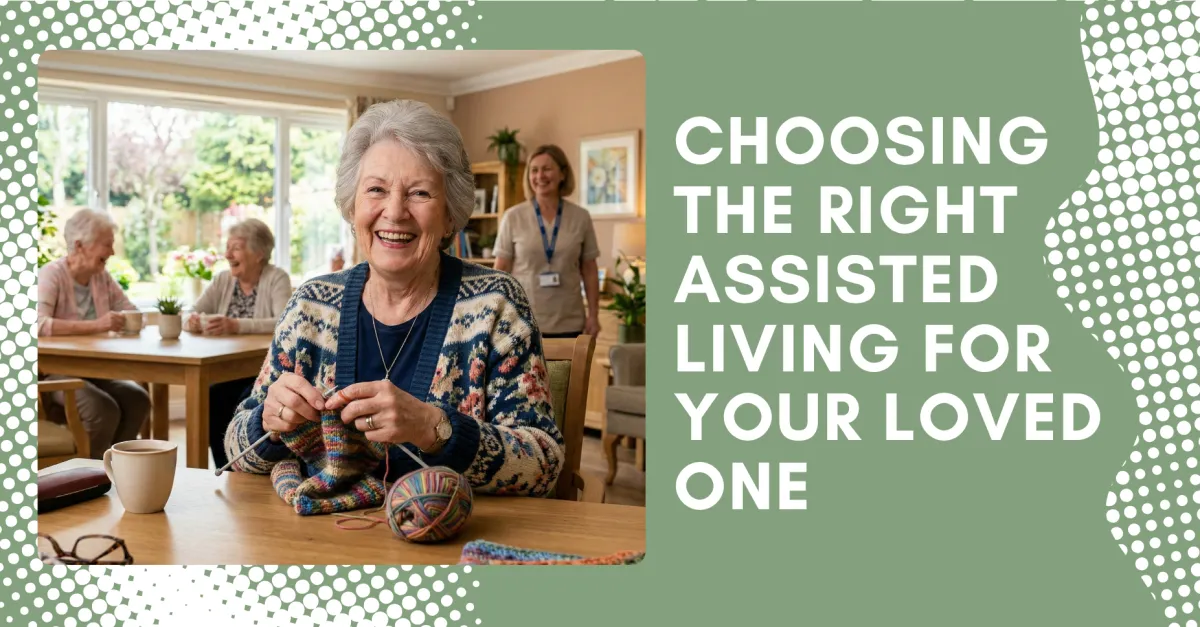
Choosing the Right Assisted Living for Your Loved One
Introduction
The decision to transition a parent or spouse into assisted living is rarely easy. It is often a journey paved with guilt and "information overload." With dozens of options in the Whittier area, how do you distinguish a high-quality home from one that simply has a nice brochure? At The Walnut Villa, we believe the best decision is an informed one. Choosing the right community requires looking past the "curb appeal" and focusing on the culture of care.
The "Essential Four" Checklist
When you begin touring potential assisted living facilities, the glossy brochures and manicured lawns can often be distracting. To see past the marketing, you need a mental checklist of "non-negotiables" that define the actual day-to-day experience of the residents.
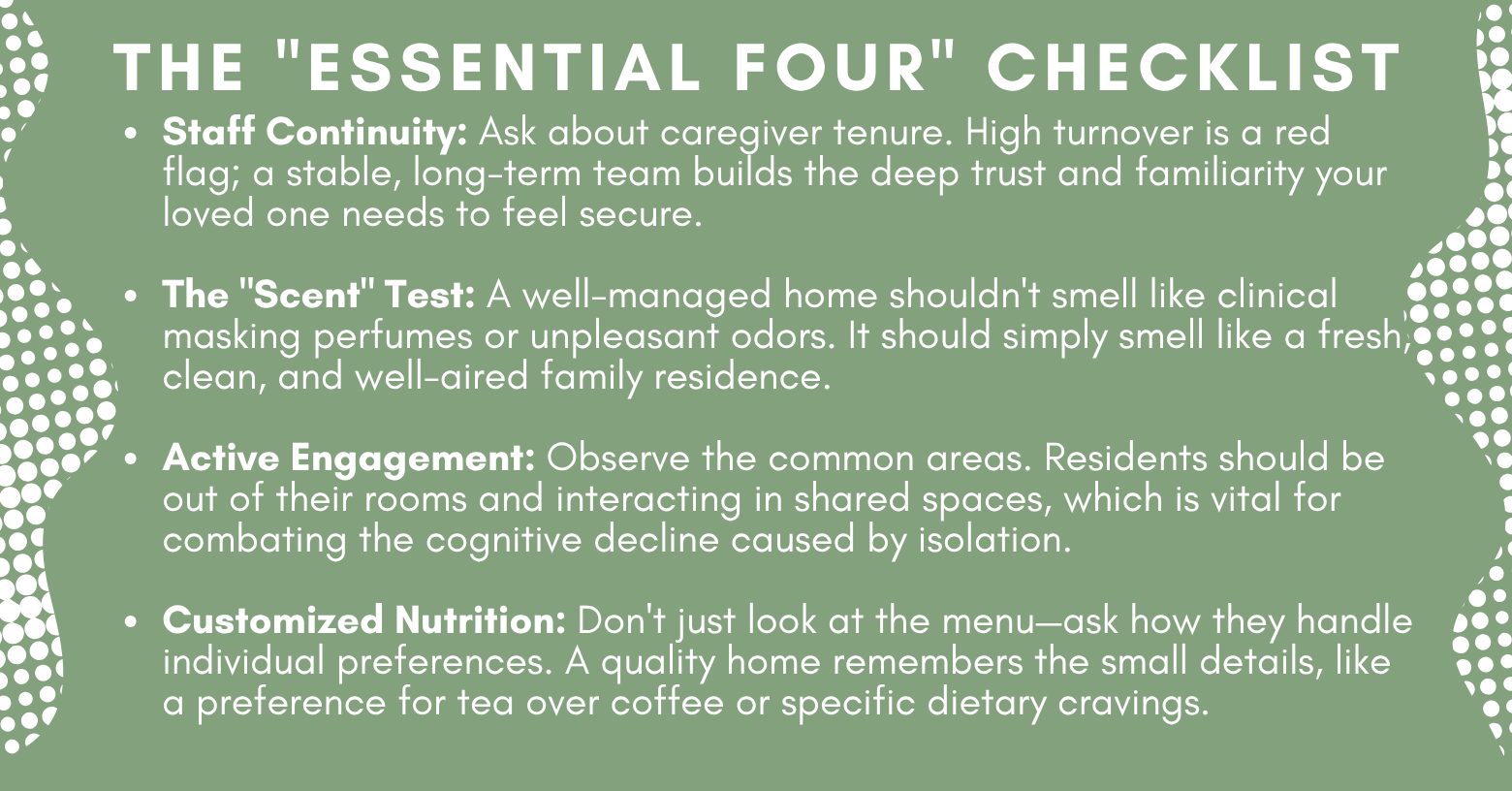
At The Walnut Villa and The Heights Inn, we encourage families to look for these four markers of high-quality, residential care:
1. Staff Continuity and Tenure
One of the most important questions you can ask is: "How long have your caregivers been with the company?" * The Trust Factor: High turnover is a significant red flag in senior care. A stable, long-term team means your loved one will wake up to familiar faces every day.
Reducing Anxiety: For seniors, especially those with cognitive decline, consistency is everything. When a caregiver knows a resident’s history, quirks, and preferences without being told, it builds a deep sense of psychological safety and trust that a revolving door of agency staff simply cannot provide.
2. The "Scent" Test
This is perhaps the most immediate and revealing sensory check you can perform. A well-managed home should have a neutral, fresh atmosphere.
The Red Flags: Be wary of two extremes: the presence of unpleasant odors, or the overwhelming scent of heavy industrial perfumes and "air fresheners" used to mask them.
The Gold Standard: A quality care home should smell like a clean, well-aired family residence. It should smell of fresh laundry or perhaps a home-cooked meal in the kitchen—scents that trigger a sense of belonging rather than a reminder of a clinical institution.
3. Evidence of Active Engagement
Observe the common areas: Are the residents actually out of their rooms? * Combating Isolation: Even if residents are simply sitting in the living room together, sharing a space is infinitely better for their mental health than being isolated behind a closed bedroom door.
The Living Room Culture: Look for signs of life—residents chatting, a caregiver reading a newspaper with someone, or a group activity in progress. A home where the "heart" of the house is full of people is a home where residents are truly living, not just being "housed."
4. Customized Nutrition and Personal Preference
Ask to see a menu, but then dig deeper: "How do you handle individual preferences?" * Beyond the Menu: In a large institution, the kitchen is often a factory where every plate is identical. In a smaller, boutique setting like ours, nutrition is personal.
The Small Details: We pride ourselves on remembering the nuances—whether a resident prefers Earl Grey over coffee, needs their toast cut a specific way, or has culturally specific dietary cravings. True care is knowing that a meal isn't just about calories; it’s about the dignity of choice and the comfort of being known.
Understanding Licensing and Safety
Beyond the "feel" of the home, verify the logistics.
California Licensing: Ensure the facility is currently licensed by the California Department of Social Services (CDSS) and has a clean record.
Emergency Protocols: What happens during a power outage? How are families notified if a resident’s health status changes? A professional home will have clear, written answers to these questions.
Staff Training: Inquire about ongoing training for staff, particularly regarding dementia care and fall prevention.
The Importance of Transparency
A great assisted living community will be open about their services, costs, and policies. There should be no "hidden fees." At The Walnut Villa, we pride ourselves on having an open line of communication with our families, ensuring peace of mind for everyone involved.
Conclusion
The "right" choice is the one that makes your loved one feel safe and your family feel supported. By doing your research and visiting in person, you can find a community where your loved one won't just live, but truly thrive.

Facebook
Instagram